
Cph:Dox 2026
Every day Ekko’s international panel of critics review and award stars to the documentaries in the main Dox:Award competition. The festival takes place from March 11-22.
|
Dårlig
Rimelig
God
Bedst
 Favorit
|
Nick Bradshaw Sight & Sound |
Murtada Elfadl Variety |
Wendy Ide Screen Daily |
Rory O'Connor The Film Stage |
Vladan Petkovic Documentary Magazine |
Steve Rickinson Modern Times Review |
Hannah Strong Little White Lies |
Frede Windahl Ekko |
Gennemsnit |
|---|---|---|---|---|---|---|---|---|---|
|
Mariinka Pieter-Jan De Pue Belgien |
|
3.6 | |||||||
|
Daughters of the Forest Otilia Portillo Mexico |
2.9 | ||||||||
|
Christiania Karl Friis Forchhammer Danmark |
2.5 | ||||||||
|
The Cord Nolwenn Hervé Frankrig |
3.0 | ||||||||
|
A Song Without Home Rati Tsiteladze Georgien, USA |
3.0 | ||||||||
|
Petrolheads Emil Langballe Danmark |
2.5 | ||||||||
|
Little Sinner Daro Hansen, Thomas Papapetros Danmark |
2.9 | ||||||||
|
Whispers in May Dongnan Chen Hongkong, Holland, Sydkorea, Sverige |
3.1 | ||||||||
|
Arctic Link Ian Purnell Schweiz |
|
2.4 | |||||||
|
Amazomania Nathan Grossman Sverige, Danmark, Frankrig |
|
|
|
3.5 | |||||
|
Something Familiar Rachel Taparjan Rumænien, Storbritannien |
3.2 | ||||||||
|
The Sandbox Kenya-Jade Pinto Canada |
|
|
|
3.1 |
Mariinka
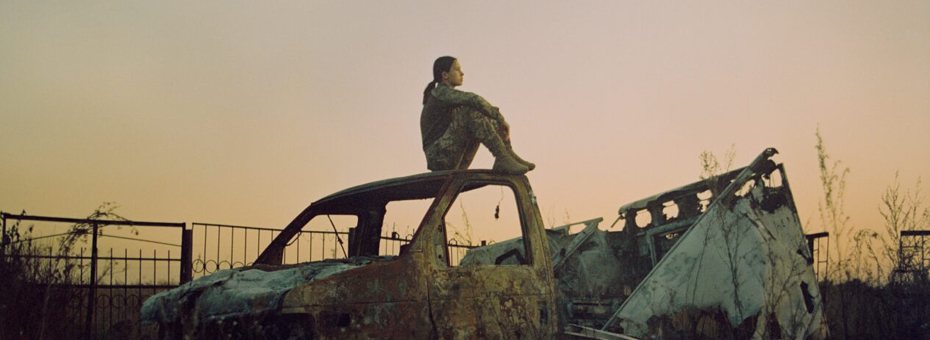
“A long-form tapestry of young lives rent by the war in Ukraine’s Donbas over a decade, rich with novelistic details: brothers fighting on opposite sides, another sent for adoption halfway across the world (but still yearning for what he left behind…). The cinematography and cross-editing are pacy and startling. Images of the two young women, paramedic Natasha in the ruins of her school hall, trader Angela pushing her laden bike past the firing lines, are the most emblematic of the film’s account of what is dashed by war, and what must go on.”
Nick Bradshaw, Sight & Sound
“Strikingly photographed and structurally complex, this is an epic – if uneven – undertaking that shows us the many faces of an ongoing war.”
Wendy Ide, Screen Daily
“As an ode to lives lost and destroyed by war, Marrinka is poetic and gentle, offering a rare glimpse across the lines of Russia’s war in Ukraine, where brothers have been set against each other and families brutalised by conflict. It adds balance and depth to the genre of Ukrainian war documentaries.”
Nick Holdsworth, Modern Times Review
“The director’s rhythmic editing approach can feel over-stylized, given the weighty subject, but it allows for moments of real poetry. Filmed on 16mm over the course of nine years, largely in the Donbass region, this is a rare documentary that boasts both the significance of evidence and the texture of cinema. It is well worth seeing.”
Rory O’Connor, The Film Stage
“An intimate and haunting ten-year diary of the war in Ukraine, told through the eyes of five young people. Filmmaker Pieter-Jan De Pue captures the emotional toll of a decade lived in the shadow of conflict. He shows what lingers through the fifth sense of time passing and lives irrevocably altered, a necessary reminder that the consequences of war extend far beyond the battlefield.”
Murtada Elfadl, Variety
Daughters of the Forest
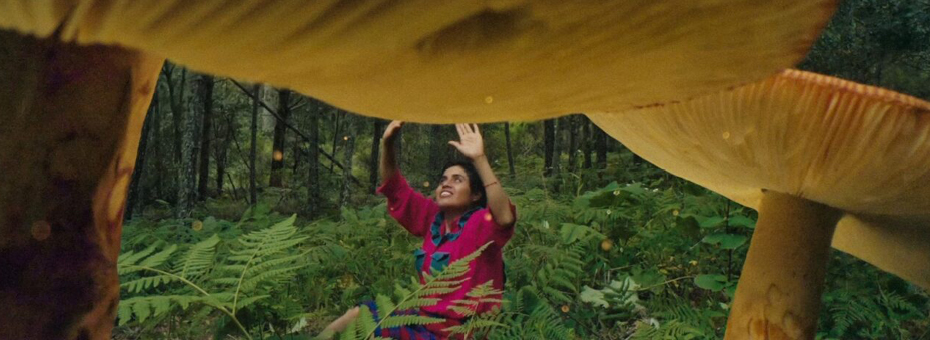
“A rare glimpse into the life of the indigenous peoples of Mexico. Their expert knowledge of mushrooms forges ties among family members, the forest and territory. A colourful yet confined eulogy to women desiring knowledge.”
Melita Zajc, Modern Times Review
“Director Otilia Portillo zooms in on four deeply knowledgeable women in Mexico whose love and passion for mushrooms drive the film. A film that not only examines the consequences of deforestation but also grants mushrooms their own voices and a sense of magical agency. One of the most distinctive and enchanting films in this year’s main competition.”
Frede Windahl, Filmmagasinet Ekko
“There’s a lovely, ambient quality to the soundscapes and images. This is a film about how mushrooms communicate with each other, which also acts as a conversation between the four generations of indigenous women we see on screen – and all the generations we don’t. It’s a beautifully shot film about inherited knowledge that left me in a decidedly tranquil mood.”
Roy O’Connor, The Film Stage
“An important and fascinating topic, luminous characters, strong camerawork, and excellent post-production. However, the dramaturgical construction is too visible, with the educational, personal, social, environmental, and poetic (or rather psychedelic) elements alternating in a way that feels too much like ticking boxes, preventing the viewer from becoming fully immersed in the film.”
Vladan Petkovic, Documentary Magazine
“An often beautiful, sometimes playful account of hidden cultures and knowledge in Mexico's threatened forests, but it comes across as a little self-impressed – narratively obvious and vague in its revelations.”
Nick Bradshaw, Sight & Sound
“Set in Mexico’s mushroom-rich forests, this atmospheric documentary follows two indigenous female mycologists navigating the intersection of modern science and ancestral knowledge. The film is undeniably gorgeous and empathetic in its attention to its protagonists and the surrounding ecosystem. However, its reverent tone settles into familiar art-house nature-doc conventions: hushed voiceover and slow, methodical camera movements that mimic the rhythms of the forest.”
Murtada Elfadl, Variety
“As much a sensory experience as a documentary, Otilia Portillo captures a very special community in Mexico that works in harmony with their homeland. A lush, though sometimes evasive, film.”
Hannah Strong, Little White Lies
Christiania
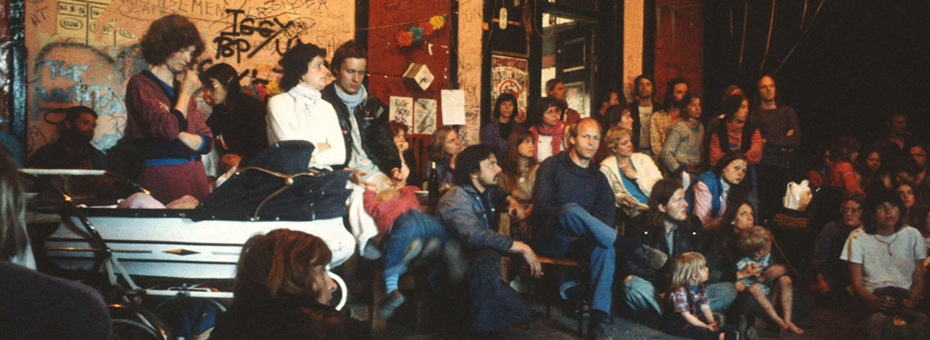
“Christiania, as a specific and interesting place, comes to life through the filmmaker’s telling of the story of the collective rather than the individuals. It makes an excellent argument that utopia might not be achievable, even with the best intentions, as long as humans are involved. However, this communal story is juxtaposed with the filmmaker’s personal recollections, and a question lingers about whether he would join as an adult. Perhaps the film is his exploration to figure that out. In this tension and these contradictions lies the narrative of Christiania.”
Murtada Elfadl, Variety
“A colourful portrait of a famous (and infamous) example of modern democracy from Karl Friis Forchhammer, but the conventional format seems at odds with the radical community.”
Hannah Strong, Little White Lies
“A good film: the directing is confident and clear, and the editing of archival material together with new footage is fluent and fluid. The topic is very well covered. However, it lacks a universal dimension that would connect it to other similar societal experiments of the last century and make it more appealing and interesting for international audiences.”
Vladan Petkovic, Documentary Magazine
“Intriguing but frustratingly fragmented – it would have benefited from including more voices from the early days of the community.”
Wendy Ide, Screen Daily
“A vivid and wounded portrait of Europe’s most mythologised freetown, Christiania turns a familiar symbol of counterculture into something denser and more difficult, tracing how an experiment in freedom, self-governance, and collective imagination survived state pressure, internal fracture, and the corrosions of the hash market without losing its radical charge. The film captures the freetown’s symbolic weight and internal contradictions with warmth and intimacy, even if it never fully transforms into a more searching or formally memorable piece of cinema.”
Steve Rickinson, Modern Times Review
“Carl Forhammer makes his debut with a quirky and personal take on the infamous Christiania. An easily accessible look at the unconventional urban experiment in utopia. Told through archived video material, animation, and a consistent voice-over delivered by the first-timer himself, the film, while not groundbreaking, is thoroughly enjoyable.”
Frede Windahl, Filmmagasinet Ekko
“Forchhammer’s engaging history of the Copenhagen anarchist commune could be less parochial – it seems unaware of how its story fits into the bigger tapestry of direct-democratic struggles, and might have said something about urbanism and capitalism – but it’s lovely as a record of a single experiment in self-governance. It’s blessed with a rich archive of the freetown’s founding and its meetings, well woven with contemporary footage, and raises apt questions about the strengths and vulnerabilities of the commons.”
Nick Bradshaw, Sight & Sound
The Cord
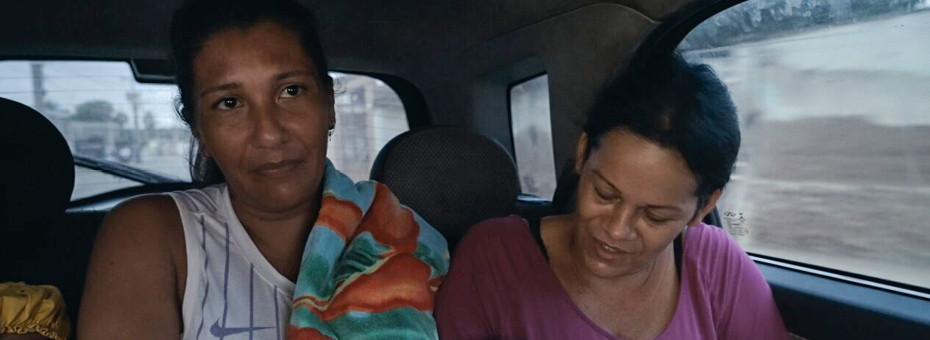
“The Cord is a warm, colourful, and hopeful film that touches on some of the darkest topics imaginable. It follows the dedicated workers (led by the ever-resilient Carolina) of a women’s shelter in Venezuela – providing both a portrait of a resilient community at the fractured end of the country’s socialist dream and, perhaps unwittingly, a time capsule of ordinary lives as they were lived there before the events of the past few months.”
Rory O’Connor, The Film Stage
“Filmmaker Nolwenn Hervé lucked out with a force-of-nature protagonist in Carolina, a community organizer and fierce advocate for women’s health in Venezuela. The Cord thus manages to be as warm, passionate, and propulsive in its mission as Carolina herself, a real-life hero of our times.”
Murtada Elfadl, Variety
“Punchy, energetic, and dynamic, the filmmaking takes on something of the central character’s personality. It is a work that stands as a testament to the bond of trust between the filmmaker and her subjects.”
Wendy Ide, Screen Daily
“A humorously unpretentious tale about a woman’s fight against Venezuela’s failing healthcare system, which systematically abandons pregnant people in their time of need. Nolwenn Hervé’s debut film oozes personality amid the very grave subject matter.”
Frede Windahl, Filmmagasinet Ekko
“An unflinching look at medical misogyny within Venezuela, centered on a fiercely determined protagonist.”
Hannah Strong, Little White Lies
“In Venezuela, childbirth is inseparable from institutional collapse. The Cord captures its protagonist’s efforts to build a DIY care system, showing that proper healthcare is a human right, most violently denied to the poor. The film’s strength lies in its intimate portrayal of labor and the survival ethic it reveals, where Wayúu ancestral knowledge meets modern medicine. A modest, compassionate work, it gains moral force from its focus on maternal dignity, even if its small scale limits its impact.”
Steve Rickinson, Modern Times Review
A Song Without Home
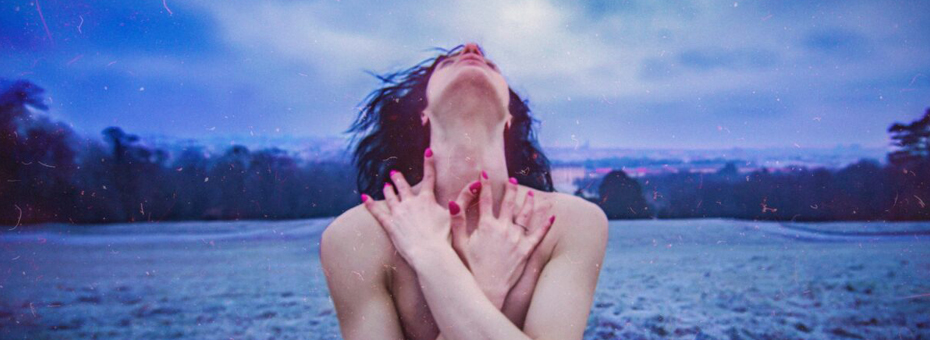
“Rati Tsiteladze’s intimate portrait of a trans woman trying to reconcile her past, present, and future is understated but deeply moving.”
Hannah Strong, Little White Lies
“A meditative, visually arresting, and empathetic chronicle of an Georgian trans woman’s life in Austria. The filmmaker sensitively burrows into the protagonist’s psyche to deliver a strong narrative about a strained relationship with family and with self-acceptance.”
Murtada Elfadl, Variety
“This seems a little overstretched – too many atmospheric filler shots.”
Wendy Ide, Screen Daily
“Visually creative portrait of a queer dancer in Vienna, whose fractured relationship with her native Georgia – a place she fled to live her life – is caught between memories of oppression and the enduring, endearing bond she shares with her mother over video calls. In expressing feelings of oppression, Rati Tsiteladze’s film can feel a little claustrophobic at times, but it packs a lot into its swift 75-minute running time: a Miss Trans contest here, a joyful run down Viennese streets there.”
Rory O’Connor, The Film Stage
“Adelina, a trans woman in danger of losing her life in post-communist Georgia, finds refuge in Vienna. She is free, but her longing for happiness doesn’t end. An intimate story that speaks to all of humanity.”
Melita Zajc, Modern Times Review
“A great example of a film that transcends the obvious in its sensitive subject, treating its troubled, endangered, and brave protagonist with both openness and care. Thanks to a varied—and thus inevitably bumpy—yet consistent directing approach, with carefully devised camerawork, captivating sound design, and creative editing, the film is as touching as it is haunting, convincingly conveying the protagonist’s inner world and the external forces shaping it.”
Vladan Petkovic, Documentary Magazine
“When the young trans woman Adelina finally escapes her imprisonment in Georgia and arrives in Vienna to begin a new life, freedom carries an unexpectedly bitter aftertaste. Debut filmmaker Rati Tsiteladze manages to showcase the loneliness of an ostracized queer person with such care and artistic integrity. At times a tough watch, but very much worth it.”
Frede Windahl, Filmmagasinet Ekko
Petrolheads
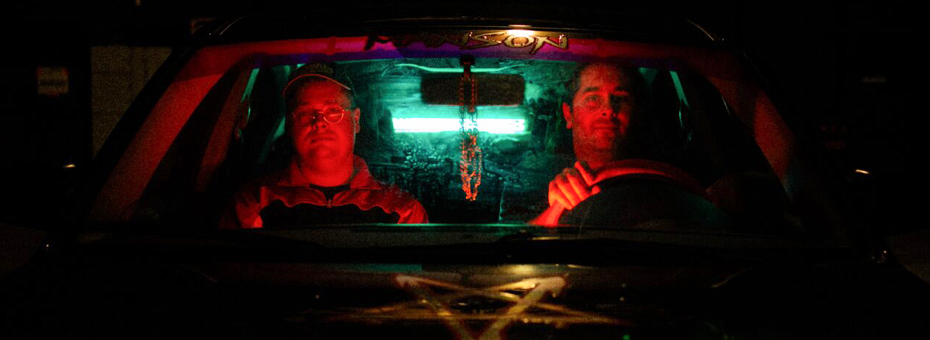
“The award-winning Danish director Emil Langballe has a knack for capturing the audience’s hearts with his warm and effective portrayals of extraordinary people. This time, it’s two neurodivergent best friends chasing the dream of obtaining a used Honda Civic. The duo is nothing short of compelling, but the magic is occasionally lost due to the sporadic use of circus-esque music.”
Frede Windahl, Filmmagasinet Ekko
“A sweet yet often poignant documentary portrait of a complicated friendship, offering a non-judgmental view of how neurodivergent and disabled adults often struggle to integrate into society, gracefully captured by Emil Langballe.”
Hannah Strong, Little White Lies
“CPH-regular Emil Langballe’s Petrolheads has just the right mix of colloquial flourishes and offbeat humor to make it a likely audience hit in this year’s Dox:Award competition. At 77 minutes, it’s a film that’s about as swift and compact as the used Honda Civic its endearing, head-banging protagonists are so determined to track down.”
Rory O’Connor, The Film Stage
“Cleverly edited, this warm and bumpy ride through a life complicated by childhood abandonment, autism, ADHD, congenital brain damage, and cocaine interweaves a variety of emotions and touches on many, seemingly distant social spheres. Already explored in documentary form, the topic of psychological difficulties gains fresh light through a mixture of male friendship, fascination with vintage cars, and struggles to cope with strained family relationships.”
Aleksandra Biernacka, Modern Times Review
“The film clearly has affection for its protagonists, whose personalities are striking and easy to root for. Yet despite its warmth, the story struggles to maintain momentum. The narrative is episodic, and while the protagonists remain engaging, the journey around them often drifts into stretches that feel more meandering than meaningful.”
Murtada Elfadl, Variety
“As the cliché goes, a small film with a big heart. There is a fine line of ethical concern in presenting the two protagonists’ disorders and some of their more delicate actions, as well as the fact that the director is the brother of one of them. Yet Langballe treats them with respect, care, and affection. He directs with a light, if not exactly gentle, touch – maintaining enough distance for viewers to draw their own conclusions while gently nudging them toward sympathy. The film leaves the audience smiling at the end, which is not often the case with such topics.”
Vladan Petkovic, Documentary Magazine
Little Sinner
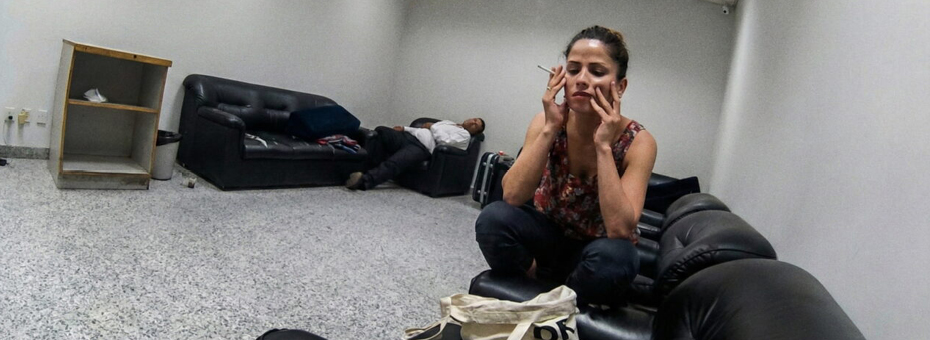
“A deeply personal journey through family trauma, reconciliation, and eventual healing, Daro Hansen’s story follows her at times horrific twenty-year path – from a journalism student in pre-civil war Syria, to a guilt-ridden wife in Denmark, and finally to a redemptive return through helping refugees fleeing their homeland.”
Nick Holdsworth, Modern Times Review
“Fearless, raw, and intimate storytelling – a first-person film which also gives insight into a geopolitical crisis.”
Wendy Ide, Screen Daily
“Kudos to the filmmaker/protagonist for so uncompromisingly baring her life and fraught inner world. However, the technical and craft quality of the visuals, even given the conditions in which they were shot, makes the film very difficult to watch, and the lack of narrative clarity makes it hard to follow. An argument can be made that it convincingly conveys an impression of what she went through, but this is not enough to constitute a good film.”
Vladan Petkovic, Documentary Magazine
“Daro Hansen escapes her violent, arranged marriage, only to have the war in Syria reopen her past wounds. Created from twenty years of footage, the film shifts the narrative of refugees in favour of exploring the complex relationship between mother and daughter. One of the most personal films in this year's main competition.”
Frede Windahl, Filmmagasinet Ekko
“Offering a deeply personal and haunting view of a Syrian woman’s life after escaping a forced marriage and confronting the war in her home country, Daro Hansen and Thomas Papapetros’ film is bold and soul-baring.”
Hannah Strong, Little White Lies
“The trend of filmmakers telling personal stories continues with this film. Despite attempts to connect the personal with the broader story of the Syrian war and its diaspora, the film’s lens remains limited and ultimately too self-conscious.”
Murtada Elfadl, Variety
Whispers in May
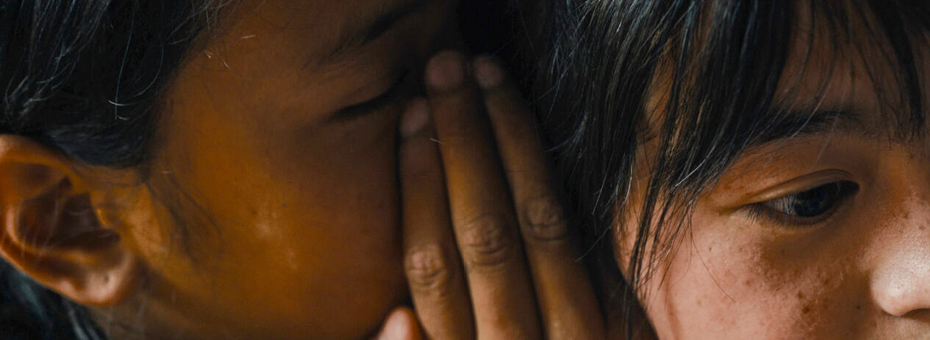
“High in the Chinese mountains, fourteen-year-old Qihuo gets her first period. As a rite of passage, she and her friends set off on a multi-day hike to find an affordable skirt to symbolize the transition. Debut director Dongnan Chen encapsulates the fleeting nature of childhood innocence and somehow keeps the viewer’s attention, despite the plot being very minimal.”
Frede Windahl, Filmmagasinet Ekko
“A lovely depiction of growing up without sentimentality or forced sweetness. The director deeply feels for her protagonists, each of whom shines in her own way, and knows how to show it. With its partly fictionalised elements, the film touches on the very nature of documentary filmmaking, making it as thought-provoking as it is insightful and touching. It can be seen as a playful exploration of Herzog’s notion of ‘ecstatic truth.’”
Vladan Petkovic, Documentary Magazine
“Dongnan Chen’s coming-of-age film is undeniably pretty and features a charming group of young characters, but its staging feels distractingly artificial.”
Hannah Strong, Little White Lies
“As change looms for the girls in the Liangshan Mountains, the film captures their world in all its vastness, where time stretches on and small moments become grand. Grown-ups are a rare sight, and their sole connection to that world is often through phone calls. Tenderly lensed.”
Sevara Pan, Modern Times Review
“The film benefits from a strong point of view and a clear focus on its protagonist, embracing a simple narrative that reveals relatively little in conventional plot terms; yet this restraint ultimately becomes a strength. Carefully edited and quietly playful in perspective, it balances a light touch with the seriousness of its coming-of-age themes. The camera frequently lingers in close-ups on faces, patiently observing and capturing fleeting emotions, allowing the character’s inner world to emerge through small gestures and expressions rather than through overt storytelling.”
Murtada Elfadl, Variety
Arctic Link
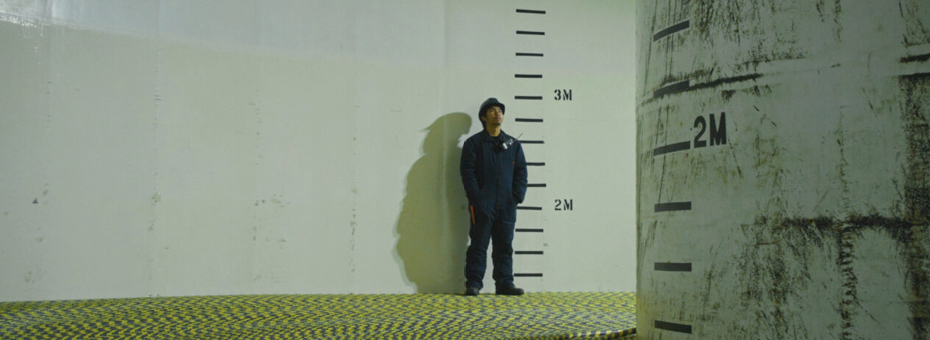
“Ian Purnell’s film about the arrival of high-speed internet in a remote Alaskan community offers brief flashes of intrigue but fails to convey the scale of this change or to situate it within a global context.”
Hannah Strong, Little White Lies
“If, like me, you happen to have a soft spot for those terrifying videos of freight ships being rag-dolled by gigantic waves, you’ll likely appreciate the vibe of Arctic Link – a documentary techno-fable that is, for me, the best film in the running for this year’s Dox:Award. From its haunting opening voiceover – informing us that there’s enough submerged internet cable to wrap around the planet 32 times – Ian Purnell’s slick, fascinating, and ruthlessly economical film immediately got under my skin and has lingered in my bloodstream ever since.”
Rory O’Connor, The Film Stage
“The visual drama of the superb cinematography is not quite matched by the human stories, which can feel somewhat thin.”
Wendy Ide, Screen Daily
“A slow observation of the process of laying internet cable on the seafloor to an island off the coast of Alaska becomes a meditation on technology, those who use it and those who don’t, and whether we are still excited or disillusioned by its potent riches. The internet, viewed through its physical form as a wire cable, entwined by Filipino sailors by hand using centuries-old methods, brings joy and relief, which are warily counterbalanced by a sentimental sorrow for a traditional way of life closer to nature. The film takes no stance and leaves the social consequences of bringing the internet to a small indigenous community vastly underexplored, contenting itself with a few already well-known reflections.”
Aleksandra Biernacka, Modern Times Review
“A snapshot of the encroachment of hyper-modernity into the world’s last corners of isolation. Sedately paced, and moving at the inexorable speed of marine cable-laying, it follows Alaska’s Aleutian coastline. It regards the connected future with due ambivalence in its survey of diverse people and prospects, while honouring the epic spaces to be traversed through suitably reverent land- and seascape photography.”
Nick Bradshaw, Sight & Sound
“In the farthest reaches of Alaska, the small island of Ouzinkie finally gets connected to the internet. The youths are ecstatic, but their parents are less so. A sometimes visually interesting film, it suggests that perhaps being connected makes us more disconnected from each other. Director Ian Purnell presents a tired and predictable point that fails to contribute anything new to the conversation.”
Frede Windahl, Filmmagasinet Ekko
“Dull and slow like molasses, it seems at least two decades late in trying to explore the disconnect that comes from being on the internet.”
Murtada Elfadl, Variety
Amazomania
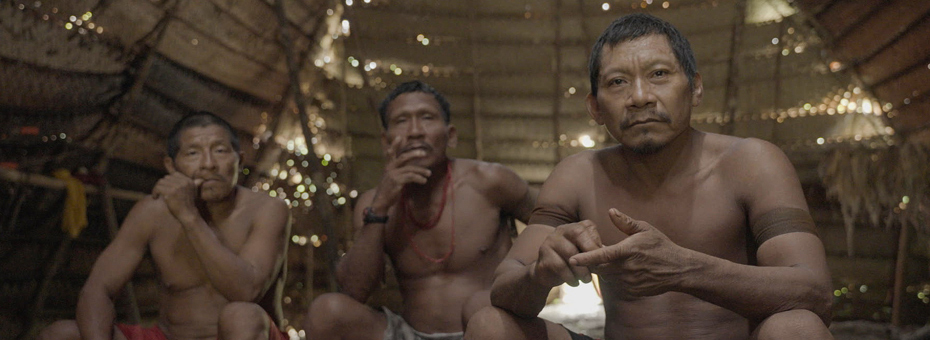
“A film that works both as a fascinating story and as an interrogation into documentary ethics – revealing and thought-provoking.”
Wendy Ide, Screen Daily
“A slow-burn reprise of a journey into the Amazon’s sanctuary jungle spaces with a government protector and an adventuresome European filmmaker, carrying a harsh sting in its tail. Most of the film lets Erling Söderström’s 1996 footage of their trip into the Javari Valley speak for itself, before a contemporary return trip elicits a deromanticised version of both subjects and filmmaker, their interrelation, and the fate of the Korubo. It delivers a denouement that raises echoing questions about power, ethics, and mediation.”
Nick Bradshaw, Sight & Sound
“Nathan Grossman picks up a story that began decades ago in this sharp documentary, which raises questions about authorship and intent, as well as the harm caused in the pursuit of a ‘good story.’”
Hannah Strong, Little White Lies
“Director Nathan Grossmann revives long-forgotten footage documenting the first contact with the Amazonian Korubo tribe, originally filmed by Swedish journalist Erling Söderström. The story ultimately culminates in a cathartic confrontation between Söderström and the Korubo community – a relevant and layered exploration of greed, vanity, and the need to show respect and offer reparations to indigenous populations.”
Frede Windahl, Filmmagasinet Ekko
“Amazomania is exactly the kind of documentary one hopes to see in the main competition of a film festival like Cph:Dox – ambitious, sprawling, and with a lot on its mind. It demands patience from the audience and leaves them with much to think about, and it’s guaranteed to stir conversations. One hopes those conversations extend beyond the film festival circuit.”
Murtada Elfadl, Variety
“It’s to Amazomania’s credit that it took me so long to determine whether it was real. The film immediately transports the viewer back to 1996 with the introduction of Erling Söderström – a man so seemingly coded in a wannabe-Herzog style that, were it not for the contemporaneous feel of the images, I would have bet money on it being a mockumentary. In terms of storytelling, I’m not sure that foregrounding Söderström’s footage entirely was the right choice, but the fascinating second-half leap to the present day offers well-earned rewards for patient viewers.”
Rory O’Connor, The Film Stage
“It starts as an expedition into the unknown and ends beyond the boldest expectations, with a scene – Tsamavo asking the camera, ‘Who are you?’ – that will take its place among the anthology scenes in film history.”
Melita Zajc, Modern Times Review
“A fascinating, formally complex, and thought-provoking rollercoaster through time and shifting civilisations – though one may wonder whether these are truly changes in essence, or merely appear so within the limits of our understanding. Questions of cultural ownership, image, and identity are reframed from an unexpected angle, arriving at a moment when we are once again grappling with them in a new context.”
Vladan Petkovic, Documentary Magazine
Something Familiar
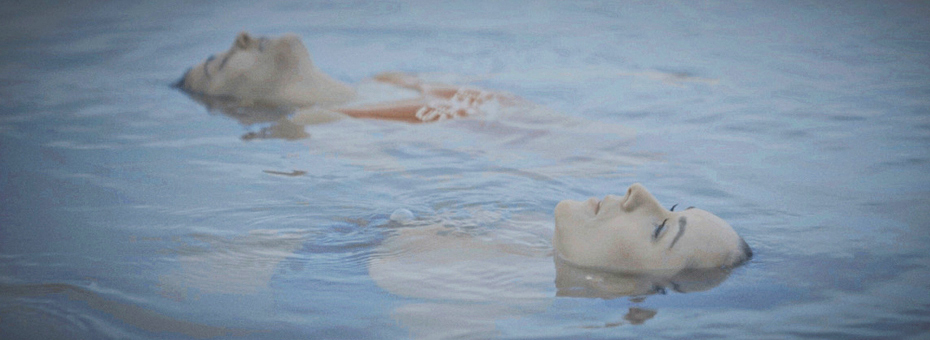
“A deeply moving and personal film about nature and nurture, blood ties and found family. Carried by the director’s light, lilting narration, this is a gentle, humane, and quietly inventive documentary about adoption that takes you from Northern England to Ceaușescu’s Romania – and back again to the country in the present day.”
Rory O’Connor, The Film Stage
“A soul-baring exploration of what it means to call a place – or a person – home.”
Hannah Strong, Little White Lies
“Debut director Rachel Taparjan returns to the Romanian orphanage where she grew up, reconnecting with siblings who gradually reveal the horrors their mother inflicted on them. By placing herself at the centre, Taparjan draws a direct line between her sister’s generational trauma and her own experiences in sex work—a revelation that almost induces whiplash. One might wish it were woven more seamlessly into the story.”
Frede Windahl, Filmmagasinet Ekko
“I admire the courage and candour of the filmmaker, but I was uncomfortable with the trauma-mining approach, particularly in how it exposes the filmmaker’s sister.”
Wendy Ide, Screen Daily
“Blood ties, the pain of adoption, and intergenerational trauma are given a thoughtful and surprising examination in Rachel Taparjan’s slow-burn investigation of her Romanian familial inheritance. The uneven pacing is forgivable in the context of this difficult journey and its awkward revelations, and Taparjan’s reticent voiceover carries a quiet power.”
Nick Bradshaw, Sight & Sound
“A film that brims with heart. A search for a birth family becomes a meditation on trauma, shared fates, loss, and self-authorship. It also unfolds into an affecting exercise in which actors stand in for a family member, filling the empty chair opposite the director.”
Sevara Pan, Modern Times Review
“A complex film in which the director tells her own difficult, autobiographical story, with many side branches and numerous characters, as well as a meta layer that adds another dimension. This could not have been easy to piece together, and it doesn’t always work – there are moments of unclear structure and uneven pacing – but that feels in keeping with the subject matter and the director’s own questions and self-doubt. It may not be a perfect film, but congratulations to Rachel Taparjan on such a deeply and unreservedly courageous effort.”
Vladan Petkovic, Documentary Magazine
The Sandbox
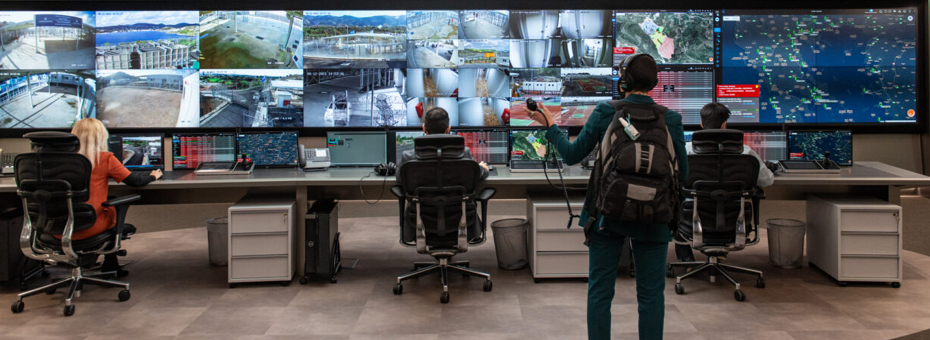
“Indo-Kenyan-Canadian Kenya Jade Pinto reveals the power of play as a lens through which to expose how the language of ‘security’ serves as a pretext for the surveillance of immigrants and asylum seekers – and what it comes to mean for the rest of us. This film brings deeply uncomfortable truths to light with both artistic flair and journalistic integrity. The Sandbox leaves the viewer with a vital sense of unease, making it relevant to everyone.”
Frede Windahl, Filmmagasinet Ekko
“An alarming but never sensationalized look at how rapidly developing technology – purportedly meant to improve our lives – is being used to further isolate and divide us. Kenya Jade Pinto’s carefully constructed film is a horror story in plain sight.”
Hannah Strong, Little White Lies
“For anyone who follows world politics, the economy, human rights, or technology – or even just current affairs documentaries from the past few years – there is nothing new here. The director’s connections between the topics are easy to follow but not particularly creative, nor do they display a strong authorial signature. The big picture emerges clearly, but the film functions more as a solid introduction for the less informed than as a strikingly creative documentary.”
Vladan Petkovic, Documentary Magazine
“Informative, eye-opening, propulsive, and told with honest integrity and artistic excellence.”
Murtada Elfadl, Variety
“A film about the future already being enforced on the disposable, The Sandbox sees borders as the 21st century’s most revealing theatre of power. They are zones where the modern surveillance state sheds any residue of neutrality, proving itself an instrument of militarism and late-capitalist reliance on fear, displacement, and permanent emergency. Across land, sea, and air, a grim visual grammar of drones, thermal optics, data slavery, expo-floor security culture, and vast natural landscapes recruited for human attrition unfolds. But surveillance technology does not remain quarantined at the social edges for long; it always settles into everyday life, albeit softened into ‘common sense.’”
Steve Rickinson, Modern Times Review
“Given the urgent nature of the issues The Sandbox examines – borders, migration, drones, AI – I was perhaps hoping for a film with a bit more specificity. Kenya-Jade Pinto’s essayistic study moves between locations – a surveillance expo here, the skies above Lampedusa there – adopting an approach that favors abstraction and mood over text and narration. At best, this can feel transfixing and aptly ominous; at worst, somewhat catch-all and vague.”
Rory O’Connor, The Film Stage
“Kenya Jade Pinto’s film brings together the perilous-migration testimony and the dystopian-tech forewarning in a single cautionary survey of how hostile borders provide a silent testing ground for the machinery of surveillance and control. Its thesis is clear and persuasive, if not unfamiliar. Its cinematic ambitions are also admirable – it’s strong on wide shots, with several chilling vistas and set pieces serving its overview. There’s less in the way of human close-up – individual stories and feelings are minimal.”
Nick Bradshaw, Sight & Sound